


Garage door springs are the unsung heroes of your home’s functionality. These powerful components bear the weight of your garage door—often weighing 300-500 pounds—and allow it to open and close smoothly. However, springs don’t last forever, and when they start to fail, the signs are often subtle. Recognizing these warning signals early can save you from a complete breakdown and prevent potentially dangerous situations.
At American Overhead Garage Door Repair, we’ve responded to countless emergency calls that could have been prevented with early detection. If you notice any of these signs, it’s time to call a professional before your spring fails completely.
At American Overhead Garage Door Repair, we’ve responded to countless emergency calls that could have been prevented with early detection. If you notice any of these signs, it’s time to call a professional before your spring fails completely.
1. Your Garage Door is Heavier Than Usual
One of the earliest signs of spring wear is increased resistance when opening the door manually. Springs are designed to counterbalance the weight of your door, making it easy to lift. When springs weaken, you’ll notice:
● The door feels noticeably heavier when you try to lift it manually
● The garage door opener struggles to open the door ● The door moves slowly or jerks during operation
● You hear the motor working harder than normal
If your door feels heavy, don’t ignore it. This is your garage door’s way of telling you that the springs are losing their ability to do their job.
● The door feels noticeably heavier when you try to lift it manually
● The garage door opener struggles to open the door ● The door moves slowly or jerks during operation
● You hear the motor working harder than normal
If your door feels heavy, don’t ignore it. This is your garage door’s way of telling you that the springs are losing their ability to do their job.
2. Visible Wear and Rust on the Springs
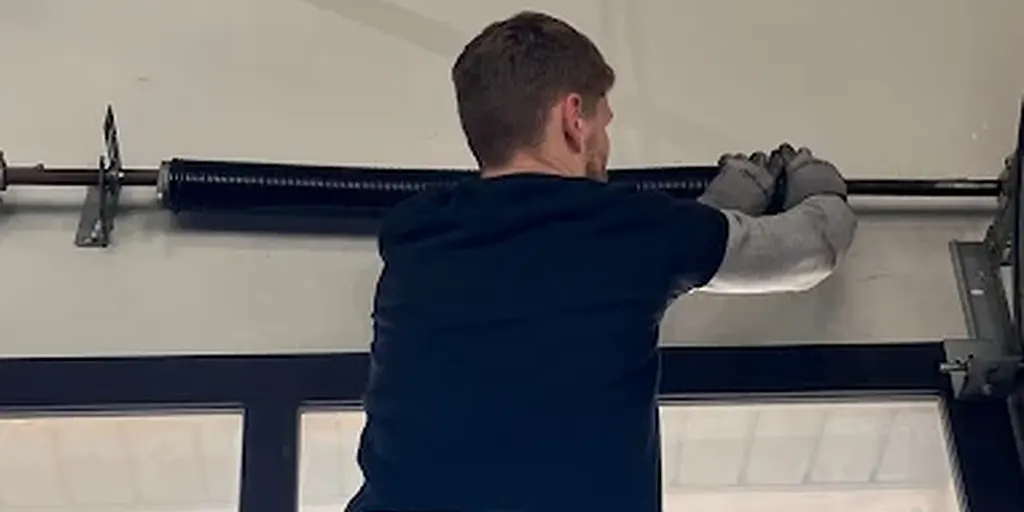
Inspect your garage door springs regularly—you’ll find them on either side of the door. Look for:
● Visible rust or corrosion on the spring surface
● Paint chipping or peeling away
● Small cracks or stress marks on the coils
● Discoloration or darkening of the metal
Rust is a sign that the spring’s protective coating has worn away, compromising the metal’s integrity. This is especially common in humid climates or areas with temperature fluctuations.
● Visible rust or corrosion on the spring surface
● Paint chipping or peeling away
● Small cracks or stress marks on the coils
● Discoloration or darkening of the metal
Rust is a sign that the spring’s protective coating has worn away, compromising the metal’s integrity. This is especially common in humid climates or areas with temperature fluctuations.
3. The Door Closes Too Quickly or Unevenly
A properly functioning garage door should close at a steady, controlled pace. When springs are weakening, you might notice:
● The door closes faster than normal on one side
● The door sags or tilts to one side as it closes
● Uneven descent, with one corner dropping faster than the other
● The door makes jerking or clunking sounds during closing
This uneven movement indicates that one spring may be significantly weaker than the other, creating an imbalance that puts stress on the entire door system.
● The door closes faster than normal on one side
● The door sags or tilts to one side as it closes
● Uneven descent, with one corner dropping faster than the other
● The door makes jerking or clunking sounds during closing
This uneven movement indicates that one spring may be significantly weaker than the other, creating an imbalance that puts stress on the entire door system.
4. Loud Popping or Snapping Sounds
Pay attention to the sounds your garage door makes. A sudden loud noise is often a warning sign:
● Loud banging or popping sounds during operation
● Snapping or cracking noises when the door moves
● Screeching or squealing sounds (which could indicate rust or wear)
● Unusual grinding noises from the spring area
These sounds indicate that the spring is under extreme stress and may be on the verge of breaking. A loud pop followed by the door becoming inoperable is the telltale sign of a complete spring failure.
● Loud banging or popping sounds during operation
● Snapping or cracking noises when the door moves
● Screeching or squealing sounds (which could indicate rust or wear)
● Unusual grinding noises from the spring area
These sounds indicate that the spring is under extreme stress and may be on the verge of breaking. A loud pop followed by the door becoming inoperable is the telltale sign of a complete spring failure.
5. The Door Won't Stay Open
A properly balanced door should stay in place when you manually lift it halfway. If your springs are failing:
● The door won’t stay in the middle position when manually lifted
● It slides down quickly after you open it partway
● The garage door opener can’t hold the door in the open position
● The door feels like it’s fighting you when you try to hold it open
This indicates that the springs have lost their counterbalancing force and can no longer support the door’s weight.
● The door won’t stay in the middle position when manually lifted
● It slides down quickly after you open it partway
● The garage door opener can’t hold the door in the open position
● The door feels like it’s fighting you when you try to hold it open
This indicates that the springs have lost their counterbalancing force and can no longer support the door’s weight.
6. Gaps or Separation at the Top of the Door
As springs wear out, you might notice:
● Visible gaps between the top of the door panels and the frame
● The door sitting lower in the closed position than usual The door not sealing properly at the top
● Daylight showing through when the door should be closed
These gaps indicate that the springs aren’t providing adequate support, causing the door to sag.
● Visible gaps between the top of the door panels and the frame
● The door sitting lower in the closed position than usual The door not sealing properly at the top
● Daylight showing through when the door should be closed
These gaps indicate that the springs aren’t providing adequate support, causing the door to sag.
7. Your Garage Door Opener is Working Overtime
If your springs are failing, your garage door opener has to compensate by working much harder. Signs include:
● The opener motor running longer than usual
● Increased electrical consumption (notice a higher power bill)
● The opener struggling to complete a full cycle
● Clicking sounds from the opener motor
Pushing a weakened garage door system beyond its limits can cause permanent damage to your opener, leading to additional expensive repairs.
● The opener motor running longer than usual
● Increased electrical consumption (notice a higher power bill)
● The opener struggling to complete a full cycle
● Clicking sounds from the opener motor
Pushing a weakened garage door system beyond its limits can cause permanent damage to your opener, leading to additional expensive repairs.
8. The Door Bounces or Shakes When Closing
A smoothly functioning garage door should close without vibration. If springs are wearing out:
● The door bounces or shakes as it closes ● There’s noticeable vibration throughout the door panels ● The movement is jerky rather than smooth ● You hear rattling from the door panels or hardware
This bouncing is caused by the uneven support that weakened springs provide.
● The door bounces or shakes as it closes ● There’s noticeable vibration throughout the door panels ● The movement is jerky rather than smooth ● You hear rattling from the door panels or hardware
This bouncing is caused by the uneven support that weakened springs provide.
9. One Spring Looks Visibly Shorter or More Compressed
Compare the springs on both sides of your door. If one appears:
● Noticeably shorter than the other
● More tightly coiled or compressed
● Less uniform in appearance Showing signs of permanent deformation
This is a critical warning sign that one spring is failing and may break soon.
● Noticeably shorter than the other
● More tightly coiled or compressed
● Less uniform in appearance Showing signs of permanent deformation
This is a critical warning sign that one spring is failing and may break soon.
10. It's Been Several Years Since Your Springs Were Replaced
Even if you don’t notice obvious signs, springs have a limited lifespan. Most garage door springs last:
● 7-12 years with normal use
● Fewer years with heavy use (multiple cycles per day)
● Longer in climates with less humidity and temperature variation
If you can’t remember the last time your springs were serviced or replaced, it’s time to have a professional inspection.
● 7-12 years with normal use
● Fewer years with heavy use (multiple cycles per day)
● Longer in climates with less humidity and temperature variation
If you can’t remember the last time your springs were serviced or replaced, it’s time to have a professional inspection.
What Happens When a Spring Breaks?
Understanding the consequences of spring failure emphasizes why early detection is important. When a spring breaks:
● Your garage door becomes inoperable
● The full weight of the door falls on the garage door opener
● You’re locked out of your garage unexpectedly
● There’s a risk of the door falling suddenly
● You’ll need emergency repair service
A complete spring failure often requires same-day repair to restore your garage door functionality and safety.
● Your garage door becomes inoperable
● The full weight of the door falls on the garage door opener
● You’re locked out of your garage unexpectedly
● There’s a risk of the door falling suddenly
● You’ll need emergency repair service
A complete spring failure often requires same-day repair to restore your garage door functionality and safety.
What You Should Do Right Now
If you’ve noticed any of these signs, take these steps:
1. Stop using your garage door if it shows signs of failure
2. Use an alternative entrance if possible
3. Don’t attempt to repair springs yourself—they’re under extreme tension and are extremely dangerous
4. Call a professional garage door technician immediately
Spring replacement requires specialized tools, knowledge, and safety precautions. Attempting DIY repairs can result in serious injury or death.
1. Stop using your garage door if it shows signs of failure
2. Use an alternative entrance if possible
3. Don’t attempt to repair springs yourself—they’re under extreme tension and are extremely dangerous
4. Call a professional garage door technician immediately
Spring replacement requires specialized tools, knowledge, and safety precautions. Attempting DIY repairs can result in serious injury or death.
Professional Spring Repair and Replacement
At American Overhead Garage Door Repair, our expert technicians can diagnose spring issues and provide reliable solutions. If you’re experiencing any of these warning signs, we offer same-day service to get your garage door functioning safely again. Whether you need a single spring replacement or both springs replaced, we use high-quality parts and provide work guaranteed in writing.
If you’re in the Lavon area or surrounding Dallas region and need professional help, our highly trained technicians are ready to assist. We serve residential and commercial customers with comprehensive garage door services. Don’t wait for a complete failure—call us today for a professional inspection.
If you’re in the Lavon area or surrounding Dallas region and need professional help, our highly trained technicians are ready to assist. We serve residential and commercial customers with comprehensive garage door services. Don’t wait for a complete failure—call us today for a professional inspection.